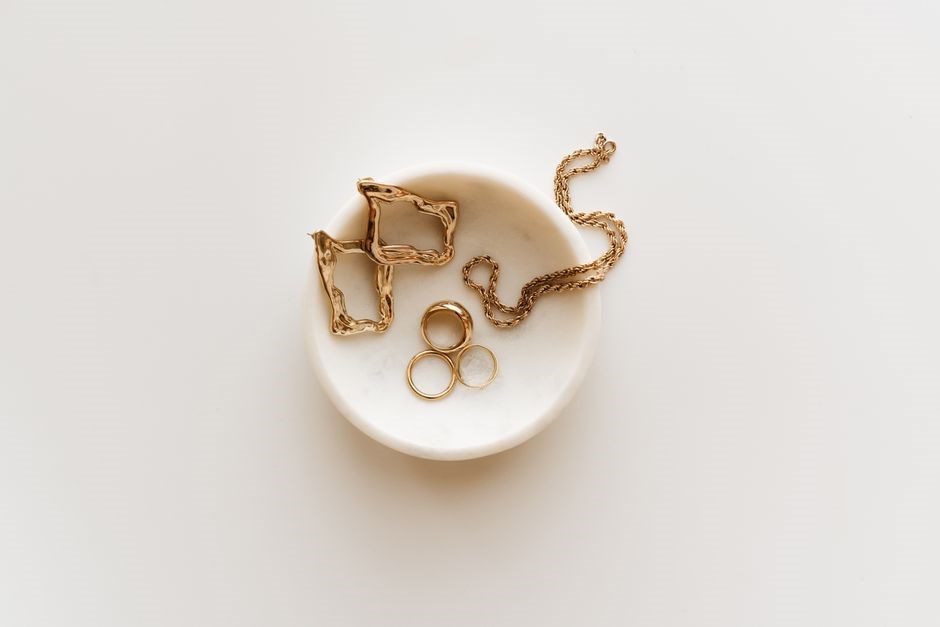
Jewelry has evolved from simple adornments to symbols of status and identity. In this guide, we explore its history, materials, and cultural meanings, helping you appreciate how a single piece can enhance confidence and personal expression. Discover how to choose pieces that reflect your style and values.!!
Historical Evolution of Jewelry
From the earliest stone carvings of the Paleolithic era to the opulent crown jewels of the Renaissance, jewelry has mirrored human progress. In prehistoric times, beads made of bone, shell, and ochre were worn as talismans, signaling status and spiritual protection. As metallurgy advanced, the Bronze Age introduced copper and bronze ornaments, while the Iron Age saw the rise of intricate filigree and hammered designs that celebrated both artistry and warfare. The classical civilizations of Egypt, Greece, and Rome elevated jewelry to a language of power: Egyptian gold filigree, Greek filigree, Roman cameo cameos, and Roman cameo cameos, each symbolizing divine favor, civic pride, and personal wealth. The Middle Ages brought ecclesiastical influences, with reliquaries and saintly iconography adorning pendants, while the Renaissance revived antiquity’s motifs, producing elaborate goldsmithing and enamel work that celebrated humanism. The 19th century’s industrial revolution made precious metals more accessible, and the Victorian era’s fascination with mourning jewelry gave rise to symbolic mourning brooches and lockets. The 20th century introduced modernist designs, with Art Deco’s geometric lines and the Bauhaus movement’s functional minimalism. Today, jewelry continues to evolve with sustainable materials, digital customization, and a renewed emphasis on cultural heritage, ensuring that each piece remains a testament to humanity’s enduring desire to adorn and express itself through precious adornments. Its timeless allure invites tradition and innovation for all ages!
Types of Jewelry Materials
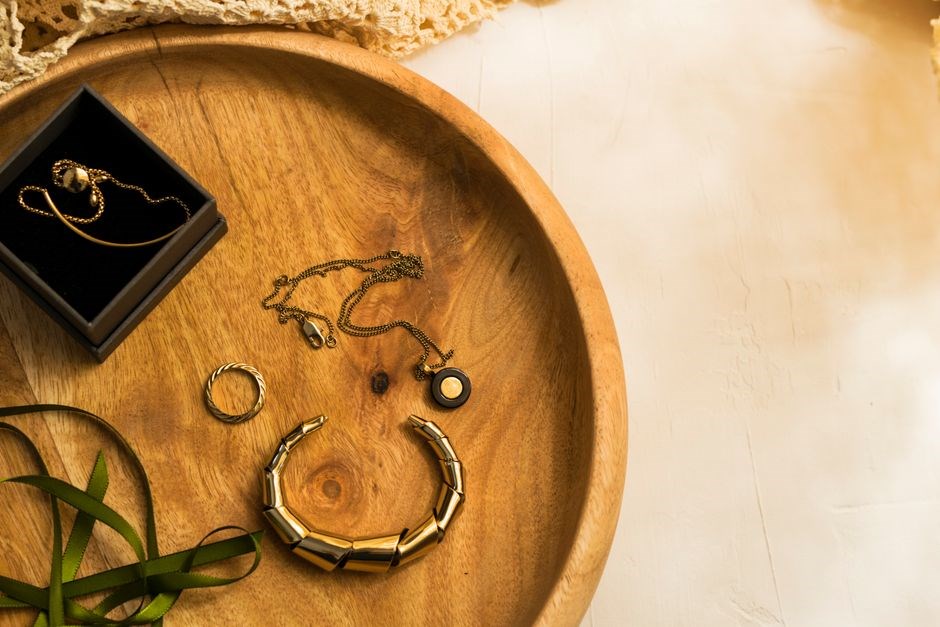
Jewelry makers draw from a rich palette of natural and synthetic materials, each offering distinct aesthetics, durability, and cultural resonance. Precious metals—gold, silver, platinum—remain the backbone of fine jewelry; gold’s malleability allows intricate filigree, silver’s bright luster suits contemporary designs, and platinum’s high density and hypoallergenic nature make it prized for engagement settings. Craftsmanship often pairs these metals with gemstones—diamonds, sapphires, emeralds, rubies—whose clarity, cut, and carat weight determine value and visual impact. Lab‑grown diamonds and ethically sourced gemstones have broadened consumer choices while addressing environmental concerns. Semi‑precious stones such as amethyst, turquoise, and garnet offer vibrant hues at accessible prices, and are frequently set in sterling silver or gold for a balanced look. Beyond metals and stones, modern jewelry incorporates alternative materials: titanium and tungsten provide lightweight yet durable options for everyday wear; ceramic and glass add translucency and bold color; polymer and resin allow for playful, affordable designs. The fusion of these materials with contemporary techniques—laser engraving, 3D printing, and sustainable sourcing—continues to expand the possibilities for personalized, meaningful adornment. By blending heritage craftsmanship with cutting‑edge technology, jewelers today create pieces that honor tradition while embracing future trends, ensuring each adornment remains a timeless statement of personal identity and artistic vision!!
Cultural Significance of Jewelry
Across civilizations, jewelry has served as a conduit for identity, status, and spiritual expression. In ancient Egypt, gold anklets and scarabs were believed to protect the soul, while in India, gold bangles and temple pendants signal marital devotion and social rank. Indigenous tribes of the Americas and Africa use beads to mark rites of passage, encode clan histories, and convey communal values. In the Middle East, intricate filigree and gemstone settings reflect both artistic heritage and the region’s long trade routes. Modern societies continue this legacy: wedding bands symbolize lifelong commitment, while fashion jewelry can act as a personal manifesto, signaling subcultural affiliations or political stances. The choice of material—gold, silver, jade, or even recycled metals—often carries cultural weight, as does the design motif: lotus petals, tribal patterns, or abstract geometry. Jewelry also functions as a portable heirloom, preserving stories across generations. In many cultures, gifting jewelry during significant life events—birth, marriage, coronation—reinforces social bonds and communal identity. Thus, understanding cultural context enriches the appreciation of each piece, transforming it from mere adornment into a living narrative that bridges past and present, personal and collective identity. Jewelry also serves as a record of lineage, with family heirlooms passed down through generations, each piece bearing stories. In some cultures, specific designs denote status or social rank, while others use colors to signify fertility or prosperity. These symbolic layers deepen the personal connection to each adornment heritage!!……………….

Choosing the Right Jewelry
Selecting jewelry involves aligning style, occasion, and budget. Start by identifying your signature look—minimalist, bold, or vintage. Consider the piece’s versatility: a simple chain can complement casual or formal wear. Evaluate metal type, gemstone quality, and craftsmanship to ensure lasting value.
Understanding Your Personal Style
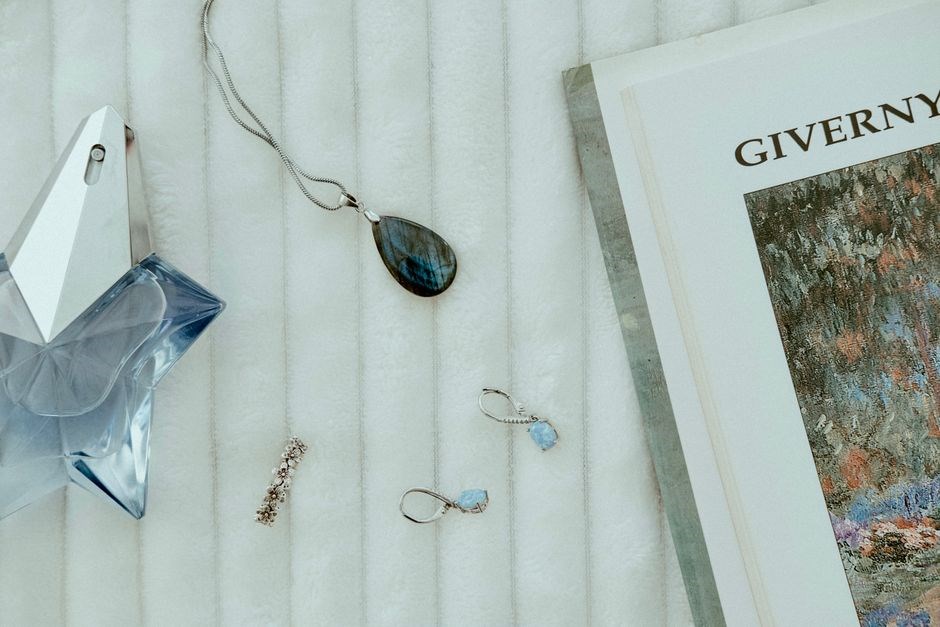
Start by mapping your wardrobe’s core colors and silhouettes. A wardrobe dominated by neutrals and structured cuts often pairs best with classic, understated pieces—think thin gold chains or simple pearl studs. If your style leans toward bold, colorful, or eclectic, look for statement jewelry that echoes your favorite hues or motifs. Consider the balance between the jewelry’s size and your body proportions; a large, ornate necklace can be overwhelming on a petite frame, while a delicate pendant may get lost on a tall, lean figure.
Think about the narrative you want to convey. Jewelry can serve as a subtle accent, a conversation starter, or a personal talisman. Reflect on your daily activities: if you spend most of your time in a professional setting, opt for pieces that exude confidence without distraction—subtle diamonds or classic signet rings. For creative or casual environments, feel free to experiment with textured metals, mixed gemstones, or artisanal designs that showcase individuality.
Finally, trust your instincts. The most authentic jewelry choices come from listening to your inner preference rather than following trends. Keep a small collection of versatile pieces that can be mixed and matched; this flexibility allows you to adapt your look to any occasion while staying true to your personal aesthetic.
When evaluating jewelry, consider how it complements your skin tone. Warm-toned metals like gold and rose gold enhance amber or olive undertones, while cool-toned metals such as silver or platinum flatter cool or neutral complexions. Gemstones also play a role: a sapphire’s deep blue can brighten cool skin, whereas a citrine’s warm glow suits warmer hues. This harmony ensures the jewelry feels like a natural extension of your complexion rather than an afterthought.
Beyond aesthetics, jewelry can serve as a personal narrative. Many choose pieces that commemorate milestones—birthstones, engraved initials, or heirloom designs that carry family history. When selecting such items, think about how the story aligns with your identity and how it will resonate with those who see it. A well-chosen heirloom can become a cherished conversation starter, linking past and present in a subtle yet powerful way.
Let each piece reflect enjoy confidence it brings today again.
Matching Jewelry with Outfit
When selecting jewelry to complement an outfit, start by evaluating the overall color scheme, fabric weight, and silhouette. A light, airy dress in pastel hues pairs beautifully with delicate gold or silver filigree, while a structured wool coat in deep navy calls for richer, more substantial pieces such as a chunky silver cuff or a bold gemstone pendant. The key is balance: avoid overwhelming a simple silhouette with heavy, ornate jewelry, and likewise, don’t let a statement piece get lost in a busy, patterned ensemble. Consider the season’s palette: warm earth tones pair well with amber or copper accents, while cool blues and silvers shine in winter ensembles. Also, think about the event’s formality—pearls for a business meeting, bold gemstones for a gala. By aligning hues and textures, your jewelry becomes a cohesive extension of your outfit. Pay attention to metal tone: gold and rose gold complement warm skins, while silver and platinum suit cooler complexions. When layering, keep the proportions in mind—stack a few delicate rings on one hand, or pair a thin chain with a statement necklace, but avoid clutter. Match the size of the piece to the scale of your attire: a small, tailored suit pairs well with a single, polished cuff, while a bohemian maxi dress can support a cascade of layered bracelets and rings. Finally, test the overall silhouette in a mirror before finalizing the look, and adjust any element that feels out of place. By aligning jewelry with your attire you create a polished intentional look.
Budgeting for Jewelry Purchases
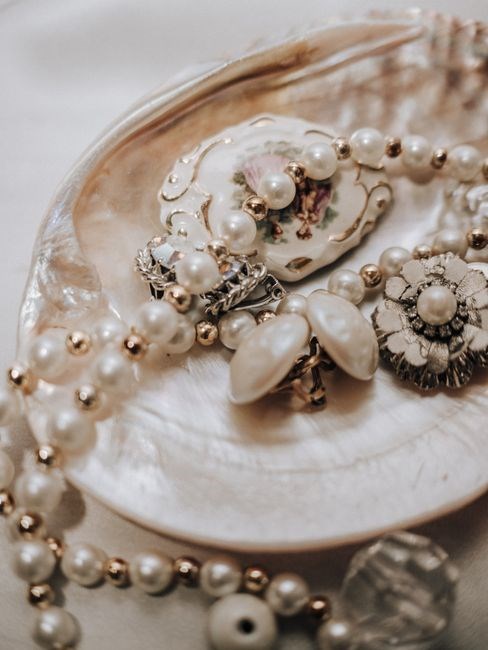
Planning a jewelry budget begins with a realistic assessment of your financial priorities. Start by determining a fixed monthly or annual allowance that aligns with your income and savings goals. Track discretionary spending to identify how much can comfortably be redirected toward adornments. Next, research market prices for the types of pieces you desire—rings, necklaces, earrings—across reputable retailers and independent artisans. Compare the cost of precious metals versus alternative materials like sterling silver or high‑grade plated options. Factor in the cost of gemstones, noting that clarity, cut, and carat weight significantly influence price. Create a tiered wishlist: essential items that fit within your budget, optional upgrades, and aspirational pieces for future savings. Prioritize quality over quantity; a well‑crafted, durable piece often offers greater long‑term value than multiple lower‑priced items. Consider seasonal sales, clearance events, and reputable discount outlets, but verify authenticity and warranties before purchasing. Allocate a portion of your budget for maintenance—cleaning, repairs, and insurance—especially for high‑value items. Finally, keep a detailed ledger of purchases, receipts, and warranties, and review your spending quarterly to adjust your budget as needed. This disciplined approach ensures that jewelry remains a rewarding investment rather than a financial strain. Invest wisely, enjoy responsibly, cherish!
Jewelry Care and Maintenance
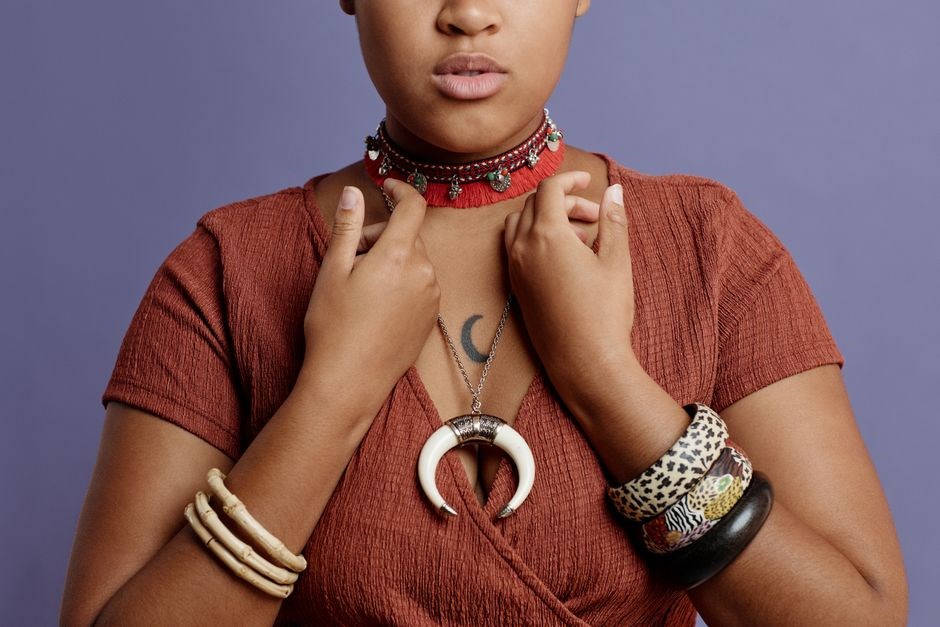
Proper care extends jewelry’s life. Store pieces separately in soft pouches, avoid moisture, and clean with mild soap and water. For gold, use a soft brush; for diamonds, a microfiber cloth. Periodic professional inspections catch loose settings early, preserving sparkle. Polish regularly to keep them shine.
Cleaning Techniques for Different Metals
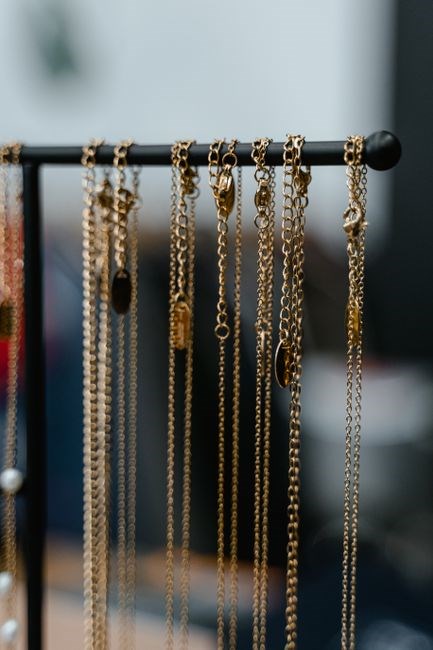
Gold: A mild soap solution and a soft toothbrush gently remove grime. Rinse thoroughly and dry with a lint‑free cloth. Avoid abrasive cleaners that can dull the finish. For 18k or higher, a professional polish may be needed to maintain luster.
Silver: Use a silver polish or a homemade paste of baking soda and water. Apply with a soft cloth, rinse, and buff to a shine. For tarnish, a silver‑tarnish remover can restore brightness without damaging the metal.
Platinum: Clean with a platinum‑specific cleaner or a mild soap solution. Rinse and dry; avoid harsh chemicals that can strip the protective coating. Professional cleaning every few years preserves its subtle sheen.
Titanium: A gentle soap and warm water rinse, followed by a soft brush, removes oils. Titanium is resistant to most cleaners, but avoid abrasive pads that can scratch the surface.
Stainless Steel: Use a non‑abrasive sponge and mild dish soap. Rinse and dry to prevent water spots. For heavy grime, a mixture of vinegar and water can be effective, but test on a small area first.
Precautions: Never submerge jewelry in harsh chemicals, bleach, or chlorine. Store each piece separately to avoid scratches. Regular cleaning keeps stones secure and prevents buildup that can cause skin irritation.
For gemstones, avoid harsh chemicals and clean with a soft brush and mild soap. Dry immediately to prevent water spots on the setting. Store heavy pieces in padded compartments to maintain shape. Always keep them dry. Now.
Storing Jewelry Safely
Proper storage preserves shine, prevents tarnish, and protects delicate settings. Use a soft‑lined jewelry box with individual compartments or velvet‑lined drawers to avoid scratches. For everyday pieces, a small pouch or coin purse keeps items together and shields them from humidity. Store heavier items in a padded case to maintain shape. Separate metal types to avoid chemical reactions; for example, keep gold and silver apart from each other and from reactive metals like copper. For gemstones, place them in a separate compartment to prevent friction. Use silica gel packets to absorb moisture and prevent tarnish. Store jewelry in a cool, dry place away from direct sunlight, which can fade colors and weaken adhesives. Avoid plastic bags that trap moisture; instead, use breathable cotton or linen pouches. For long‑term storage, wrap pieces in acid‑free tissue paper and place them in a dedicated jewelry box. Label boxes with contents for easy retrieval. When traveling, use a lockable travel case or a small pouch with a zipper. Finally, perform a quick inspection before and after storage to check for loose stones or loose clasps, and tighten as needed. This routine keeps your collection pristine and ready for any occasion.
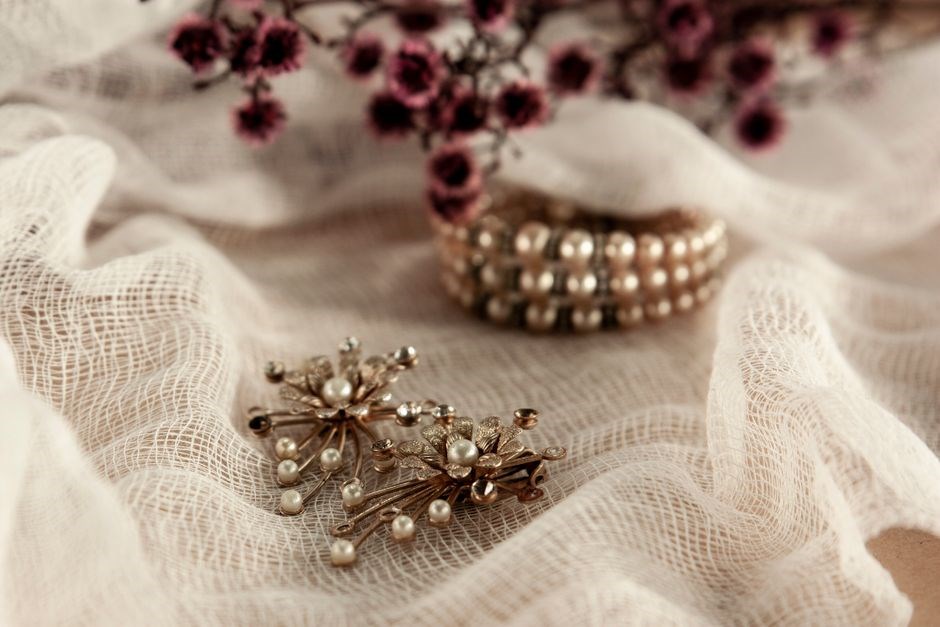
Keep in mind that jewelry is an investment; regular daily care inspections! can catch loose stones or corrosion early. For long‑term preservation, consider a climate‑controlled safe or a dedicated jewelry case. Store items in a dry, temperature‑stable environment to avoid warping or discoloration.
Repair and Restoration Options
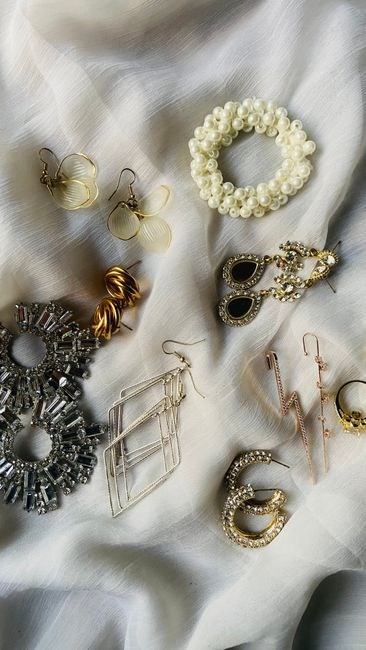
When a cherished piece shows signs of wear—loose settings, tarnished surfaces, or broken clasps—professional repair is often the safest route. Certified jewelers use precision tools to reset stones, replace missing links, and re‑polish metals, restoring original luster while maintaining structural integrity. For minor issues such as a broken chain link or a missing earring hook, many retailers offer in‑store repair services, typically within days and at a fraction of the cost of a full restoration.
DIY repairs are feasible for simple fixes: a small hammer and a jeweler’s pliers can straighten bent settings, while a gentle polishing cloth can remove light tarnish. However, delicate gemstones or intricate designs should remain in expert hands to avoid accidental damage. When attempting a DIY reset, use a magnifying glass and a steady hand; secure the stone in a temporary setting before re‑attaching it to the band.
For antique or vintage items, restoration may involve more specialized techniques. Conservators may clean patina‑protected surfaces with micro‑brushing, re‑apply protective coatings, or replace missing components with historically accurate replicas. It’s crucial to verify that any restoration work preserves the original maker’s mark and authenticity, especially for high‑value pieces. When choosing a restoration service, look for certifications such as the American Gem Society (AGS) or the International Gemological Institute (IGI), which indicate a high standard of care. Always request a detailed estimate and a written guarantee covering the work performed.
Finally, consider preventive maintenance: regular inspections can catch small problems before they become costly repairs. A quarterly check by a professional can identify loose settings, worn clasps, or emerging corrosion, allowing for timely intervention. By combining expert repair services with routine care, you can extend the life and beauty of your jewelry for generations.
and Resources
Explore trusted jewelers, online shops, and certification guides to secure authentic, quality pieces; Use reputable sites, verify lab reports, and read reviews. Keep records of purchases and maintenance for future reference. Learn care techniques at workshops for vintage styles.!
Trusted Jewelers and Online Retailers
Choosing a reputable jeweler is essential for quality, authenticity, and peace of mind. Established houses like Tiffany & Co., Cartier, and Harry Winston offer craftsmanship, rigorous quality control, and generous warranties. Their consultations provide personalized guidance and ethical standards.
Online platforms such as Blue Nile, James Allen, and Brilliant Earth provide transparent pricing, detailed imagery, and verified certifications. Blue Nile’s 360° view and return policy, James Allen’s real‑time video, and Brilliant Earth’s conflict‑free focus give shoppers confidence.
Specialty retailers like Catbird, Mejuri, and Aurum curate innovative, ethically sourced pieces, often collaborating with emerging designers.
Look for third‑party verification like GIA or IGI certificates. Verify clear return policies, warranties, and accessible support. Read reviews on Trustpilot or BBB for red flags.
Consider local artisans offering custom designs with reclaimed metals and responsibly sourced gemstones. They provide unique touches that large chains lack. Research credentials and feedback to invest confidently.
When purchasing, always request a certificate of authenticity from a reputable lab such as GIA, IGI, or AGS. These documents detail the stone’s cut, clarity, carat weight, and origin, ensuring you are not misled. Additionally, reputable jewelers provide a written warranty covering manufacturing defects and offering repair services for a specified period. Shop responsibly Enjoy with confidence!
Certification and Authenticity Guides
Certification and authenticity are the cornerstones of any jewelry purchase. A reputable certificate—issued by recognized labs such as the Gemological Institute of America (GIA), the International Gemological Institute (IGI), or the American Gem Society (AGS)—provides an unbiased, third‑party evaluation of a stone’s cut, color, clarity, and carat weight. These labs employ advanced spectroscopic techniques, high‑resolution imaging, and strict grading protocols to ensure consistency across the industry. When reviewing a certificate, look for the lab’s seal, the unique reference number, and the detailed grading report. A missing or vague reference number often signals a counterfeit or a fabricated document. Additionally, many reputable jewelers now offer digital certificates that can be verified online via a QR code or a secure link, For diamonds, the GIA report is the gold standard. For colored gemstones, IGI’s color chart and AGS’s clarity scale provide comparable transparency. Beyond certificates, buyers should also request a resale or appraisal certificate if they plan to sell or insure the piece later. This document, prepared by a licensed appraiser, records the current market value and can be essential for insurance claims. Finally, always verify that the jeweler’s certification process aligns with industry best practices: the lab must be accredited, the grading must be transparent, and the jeweler should provide a clear return policy. By following these guidelines, you can confidently invest in pieces that not only sparkle but also hold true value over time.