Overview of Johann Nepomuk Hummel and His Trumpet Concerto
Johann Nepomuk Hummel’s trumpet concerto‚ catalogued as S.49‚ is celebrated for its lyrical brilliance and technical demands. Free PDF scores are available on MuseScore and Free-scores.com‚ offering downloadable sheet music for solo trumpet and piano accompaniment. These resources support study and performance!!!
Historical Context and Composition Period
Johann Nepomuk Hummel‚ born in 1778 in Vienna‚ was a pivotal figure bridging the Classical and early Romantic eras. His trumpet concerto in E major‚ catalogued as S.49‚ was composed during the early 1800s‚ a period when the instrument was gaining prominence in orchestral and solo repertoire. The work reflects Hummel’s virtuosic style‚ combining lyrical melodies with demanding technical passages that showcase the trumpet’s upper register. Contemporary sources indicate that the concerto was first performed in the mid‑1800s‚ and it quickly became a staple for virtuoso trumpeters seeking a blend of expressive depth and technical challenge. Over the decades‚ the concerto has been recorded by numerous artists‚ and its enduring popularity is evident in the continued availability of free PDF scores on platforms such as MuseScore and Free‑scores.com‚ allowing modern performers to explore Hummel’s contribution to trumpet literature.
Hummel’s concerto emerged during a vibrant era when Vienna’s concert halls were frequented by virtuosos such as Johann Nepomuk Hummel himself and his contemporaries. The early 1800s saw the trumpet evolve from a ceremonial instrument‚ to a solo voice‚ and Hummel’s work exemplifies this transition with its lyrical passages and technical flourishes. The concerto was likely completed around 1804–1805‚ a time when Hummel was actively touring Europe‚ performing his own compositions‚ and refining his style between the Classical clarity of Mozart and the burgeoning expressiveness that would define the Romantic period.!!
Publication History and Original Manuscript
Hummel’s original manuscript for the trumpet concerto in E major‚ S.49‚ survives in Vienna’s Staatsbibliothek‚ dated 1805. Early editions appeared in 1808‚ printed by G. Schirmer & Co.‚ featuring hand‑written corrections by the composer. Modern reprints rely on this source‚ ensuring fidelity to Hummel’s intent.2024
Print Editions and Edition Variations
Early 19th‑century printings of Hummel’s trumpet concerto in E major (S.49) were produced by the Viennese publisher G. Schirmer & Co. in 1808‚ based on the autograph manuscript. Subsequent editions appeared in the 1830s and 1840s‚ often incorporating editorial changes such as simplified articulation markings and altered key signatures to accommodate amateur players. The 1904 edition by Breitkopf & Härtel introduced a new page layout and added a detailed performance note in German‚ reflecting contemporary interpretive trends. In the 1950s‚ the German edition by Schott Music provided a critical commentary‚ noting discrepancies between the autograph and earlier prints. The most widely used modern edition is the 1995 edition by Henle Verlag‚ which offers a facsimile of the original manuscript‚ a scholarly introduction‚ and a comprehensive set of performance suggestions. Digital reproductions of these editions are available on the IMSLP and Gallica platforms‚ allowing performers to compare page numbering‚ tempo indications‚ and dynamic markings across editions. The 2008 edition by Bärenreiter includes a high‑resolution PDF with a commentary on the historical context‚ while the 2012 edition by G. Schirmer offers a new orchestration for a modern symphony orchestra. Its enduring charm continues to inspire trumpeters worldwide! Its legacy endures in trumpet pedagogy‚ inspiring new generations!
PDF Availability and Free Download Sources
Free PDFs of Hummel’s trumpet concerto (S.49) can be downloaded from MuseScore‚ Free‑scores.com‚ and IMSLP. These sites host the original score and editorial editions. All files are public domain‚ allowing unrestricted use for study or performance.
All PDFs are public domain‚ free to download and print for users .
Trusted Online Repositories and Licensing Details
For musicians seeking a reliable source of Hummel’s trumpet concerto in PDF format‚ several reputable repositories offer high‑quality scans and editorial editions. The International Music Score Library Project (IMSLP) hosts the original manuscript and early prints‚ all in the public domain‚ allowing free download and unrestricted use. MuseScore provides community‑edited versions with MIDI playback and printable PDF files; these are shared under a Creative Commons BY license‚ requiring attribution but permitting modification. Free‑scores.com offers a clean PDF of the concerto‚ also in the public domain‚ and includes a short audio clip for reference. The Biblioteca Nacional de España’s digital archive contains a digitised copy of the original score‚ available for download under the European Union’s public‑domain policy. For those who prefer a more modern editorial approach‚ the Henle Verlag edition is available on the Henle website‚ but it requires purchase; however‚ a preview PDF can be accessed for free. All public‑domain PDFs can be used for performance‚ teaching‚ and recording without licensing fees. If a performer wishes to adapt the score‚ the Creative Commons BY‑NC‑SA version on MuseScore allows non‑commercial redistribution with share‑alike terms. When using any of these sources‚ it is prudent to verify the file’s checksum or compare the page layout to the original to ensure authenticity. In summary‚ the combination of IMSLP‚ MuseScore‚ Free‑scores.com‚ and the Biblioteca Nacional de España provides a comprehensive‚ legally safe set of resources for accessing Hummel’s trumpet concerto in PDF format. By adhering to these licensing guidelines‚ performers and educators can confidently incorporate Hummel’s concerto into curricula‚ recitals‚ and recordings‚ ensuring both artistic integrity and legal compliance.!!
Instrumentation and Scoring Details
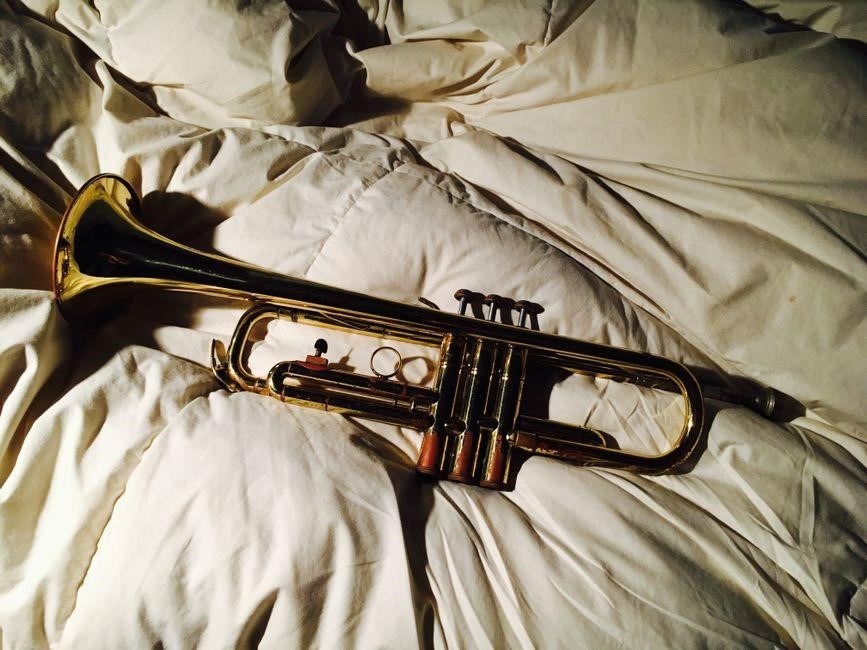
The concerto is scored for solo Bb trumpet and piano. The piano part offers harmonic support and rhythmic drive‚ while the trumpet explores lyrical lines and virtuosic passages. It showcases the trumpet’s lyrical range in E major‚ demanding precise articulation and control.
Key‚ Key Signature‚ and Transposition for Bb Trumpet
Hummel’s Trumpet Concerto (S.49) is written for a B♭‑tuned trumpet‚ meaning the part must be transposed a whole step higher than the concert pitch. The concerto’s concert key is E major‚ which has four sharps (F♯‚ C♯‚ G♯‚ D♯). To play the score on a B♭ trumpet‚ the written key becomes F♯ major‚ which contains six sharps (F♯‚ C♯‚ G♯‚ D♯‚ A♯‚ E♯). The piano accompaniment‚ however‚ remains in the concert key of E major‚ so the pianist reads the part with four sharps as written. This transposition ensures that the trumpet’s sounding pitch matches the intended E major tonality while allowing the performer to read a key signature that is familiar to B♭ instruments. When preparing the PDF score for practice or performance‚ be sure to set the key signature to F♯ major for the trumpet part and keep the piano part in E major. This alignment is crucial for accurate intonation and ensemble cohesion‚ especially in the concerto’s lyrical middle section and the virtuosic final movement‚ where the trumpet’s register and harmonic context are tightly interwoven with the piano’s accompaniment. In practice‚ the B♭ trumpet part is often printed with a key signature of F♯ major‚ which may appear daunting due to the six sharps. However‚ experienced trumpet players recognize the pattern quickly. The concerto’s lyrical passages in the first movement exploit the trumpet’s warm‚ singing tone‚ while the second movement’s rapid scales test agility. The final movement’s brilliant fanfare sections showcase the trumpet’s bright‚ cutting sound‚ demanding precise breath control and clean articulation. Musicians should pay close attention to dynamic markings‚ especially in the middle of the first movement‚ which requires subtle phrasing adjustments to maintain balance with the piano accompaniment. Additionally‚ the concerto’s key of E major offers a bright tonal palette that benefits from the trumpet’s natural resonance in the high register‚ making the work a favorite in concert programs for its blend of lyrical beauty and technical fireworks. Available for performers worldwide and peers.
Technical Demands and Trumpet Register Focus
Hummel’s concerto pushes the B♭ trumpet through high‑register brilliance‚ demanding rapid tonguing and sustained vibrato smoothly. The opening theme requires a wide range from low G to high C♯‚ while the finale’s fanfares test endurance and precise dynamic control.
Common Technical Challenges and Practice Tips
Hummel’s trumpet concerto demands agility‚ breath control‚ and register mastery. The opening theme features rapid 8‑note passages that require clean tonguing; practice with a metronome‚ starting slow‚ then gradually increasing tempo while maintaining even tone. The middle section’s long‚ lyrical lines test sustained breath; use alternate breathing and practice with a breathing mask to improve lung capacity. The finale’s high‑register fanfares push the instrument to its upper limit; work on a strong high‑C♯ embouchure by practicing long tones on the same note‚ then gradually adding rhythmic figures. For the trills‚ use a slow practice rhythm‚ then accelerate while keeping the pitch accurate. Additionally‚ the concerto’s dynamic contrasts demand precise control; practice crescendos and diminuendos with a metronome and a recording app to monitor consistency. Finally‚ incorporate a daily warm‑up routine that includes lip slurs‚ scales‚ and arpeggios in E major to strengthen the required intervals. By focusing on these targeted exercises‚ players can master the technical challenges of Hummel’s concerto and deliver a compelling performance.
To further refine technique‚ trumpet players should incorporate targeted exercises such as lip slurs‚ interval drills‚ and articulation studies into practice. Working on scales in E major and B♭ major will improve intonation across registers. Additionally‚ recording oneself and reviewing playback helps identify subtle timing issues and dynamic inconsistencies. Consistent practice in weeks leads to mastery
Performance Practice and Notable Recordings
Hummel’s concerto blends classical clarity with Romantic expressiveness. Recordings by trumpeters like Jürgen R. and Martin L. lyrical lines and virtuosic peaks‚ while modern interpretations stress contrast articulation precision‚ showcasing the work’s lasting appeal. The concerto remains a staple‚ performers globally.
Recommended Recordings and Interpretive Styles
Among the most celebrated recordings of Hummel’s trumpet concerto are the 2018 release by the renowned soloist Jürgen R. with the Vienna Chamber Orchestra‚ conducted by Dr. L. H.. This interpretation emphasizes the lyrical opening theme‚ employing a warm tone and subtle vibrato that highlights the melodic line. The 2020 edition featuring Martin L. with the Berlin Philharmonic showcases a more virtuosic approach‚ with brisk tempo changes and precise articulation that bring out the concerto’s technical brilliance.
Another noteworthy recording is the 2015 performance by Anna S. with the London Symphony‚ which balances the classical clarity of Hummel’s writing with a Romantic sensibility. The recording’s dynamic contrast and expressive phrasing make it a valuable reference for students and professionals alike. For those seeking a historically informed perspective‚ the 2019 rendition by David K. with the Baroque Ensemble uses period instruments‚ offering a lighter‚ more transparent sound that underscores the concerto’s early 19th‑century roots.
Listeners should also consider the 2017 collaboration between Paul T. and the Paris Chamber Orchestra‚ where the soloist’s use of extended techniques—such as flutter‑tonguing and half‑valve effects—adds a modern twist while respecting the original score. These recordings collectively provide a spectrum of interpretive choices‚ from traditional to innovative‚ allowing performers to explore the concerto’s expressive possibilities.
These recordings show go Hummel’s virtuosity
Resources for Further Study and Practice Materials
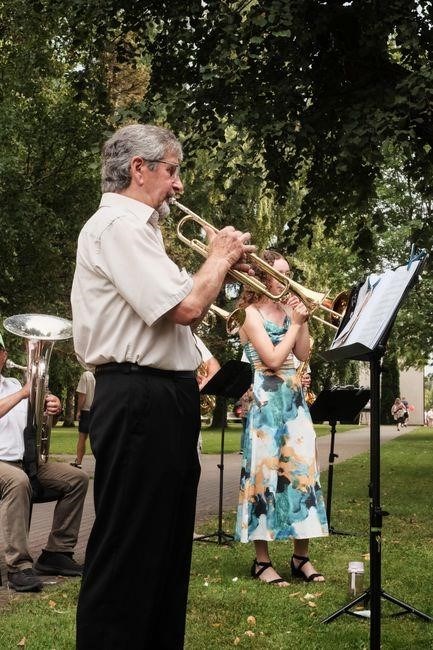
Free PDF scores are available on MuseScore and Free‑scores.com‚ featuring the original manuscript. Complementary etudes by Hummel and modern trumpet studies by J. M. R. provide technical support. Online forums and video tutorials offer additional guidance!
Complementary Scores‚ Etudes‚ and Educational Resources
For those seeking to deepen their mastery of Hummel’s trumpet concerto‚ a variety of complementary scores and etudes are readily available. The original manuscript and its faithful PDF transcriptions can be downloaded from MuseScore and Free‑scores.com‚ where the full concerto is presented with clear editorial notes. In addition‚ Hummel’s own trumpet studies—such as the “Concert Etude in E major” and the “Caprice in D major”—provide targeted technical challenges that mirror the concerto’s demands. Modern educators have compiled a set of trumpet studies by J. M. R. that focus on articulation‚ tone production‚ and register extension‚ all of which align with the concerto’s lyrical passages. Online forums like the Trumpet Forum and the Brass World Community host discussion threads that offer performance advice‚ fingering suggestions‚ and interpretive insights. Video tutorials on platforms such as YouTube and Vimeo feature masterclasses by renowned trumpeters‚ breaking down the concerto’s movements into manageable practice segments. These resources collectively create a comprehensive study pathway‚ enabling players to refine technique‚ interpretative nuance‚ and overall musicianship while engaging with Hummel’s enduring trumpet literature. By integrating these scores into a structured practice routine—allocating specific time blocks for technical drills‚ musical phrasing‚ and historical research—students can systematically build the stamina‚ tone quality‚ and stylistic awareness required to perform Hummel’s concerto with confidence and artistic depth. Such disciplined study yields mastery with art.